
“No more heroes anymore!” Remember The Stranglers? If you didn’t catch them first time round, you had a second chance recently when they resurrected themselves and went on tour. I shouldn’t think they gave much thought to their pension funds back in 1977. There have been language heroes though, and we still have some among us. People whose stand on something to do with our language has caused us to pause and consider. Over time, 100% Proof will look at some of these figures, and briefly explain why they qualify for ‘language hero’ status.
There is plenty of discussion these days about the worsening of the ways in which we speak to each other, in Parliament as well as elsewhere. Brexit turbocharged this trend along with so much else, and it may well be that we can never recover from it and return to the comparative calm of earlier times. Some claim, though certainly not me, that the robust ex-cathedra performance of Speaker John Bercow contributed to this decline, and of course online vitriol continues unabated, with no-one seeming to know quite what to do about it. But there can be no solution if it isn’t first recognised and identified, and the clear analyses that George Orwell set out three quarters of a century ago have rarely been equalled, and can serve us well in our own times.
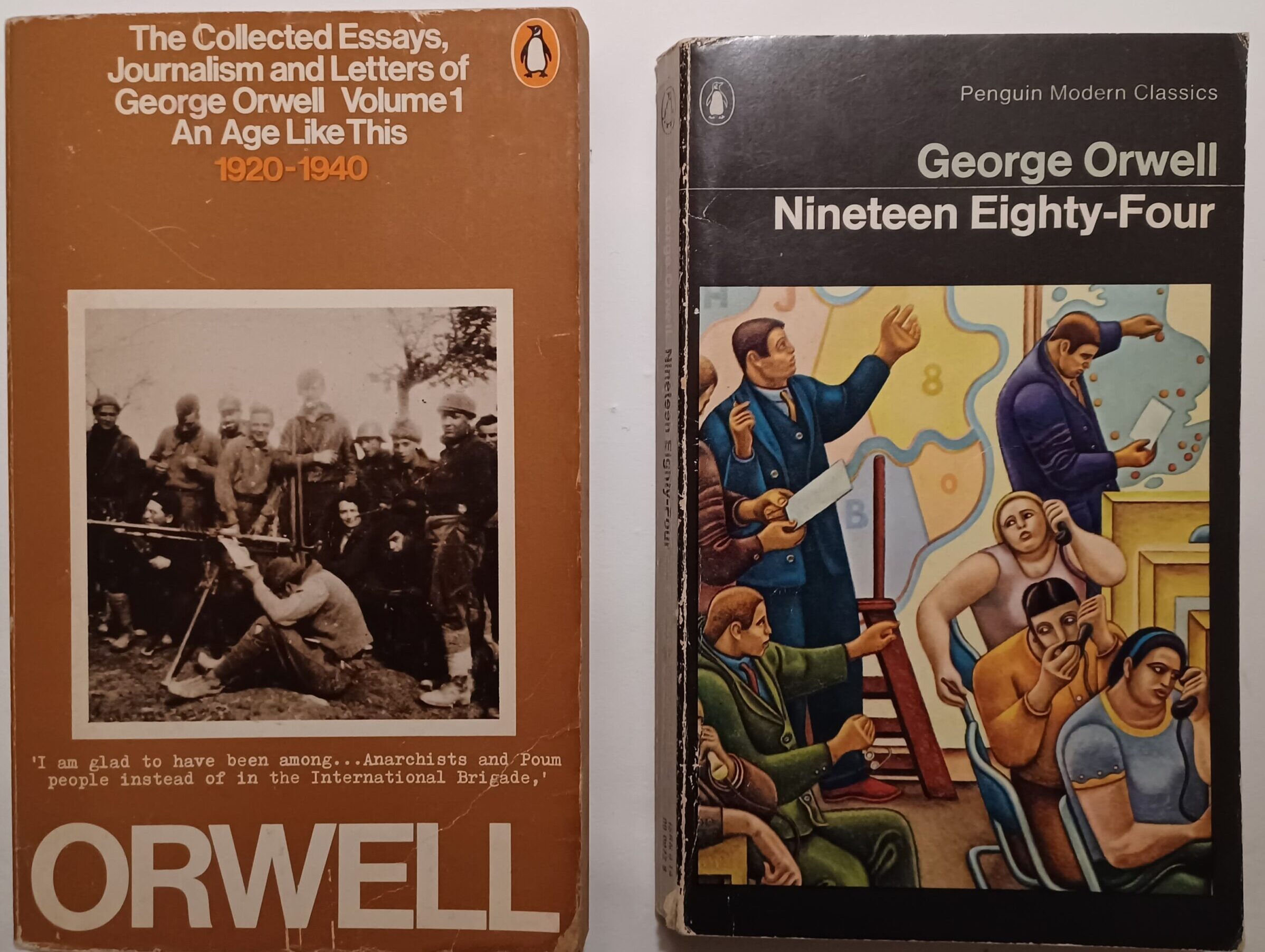
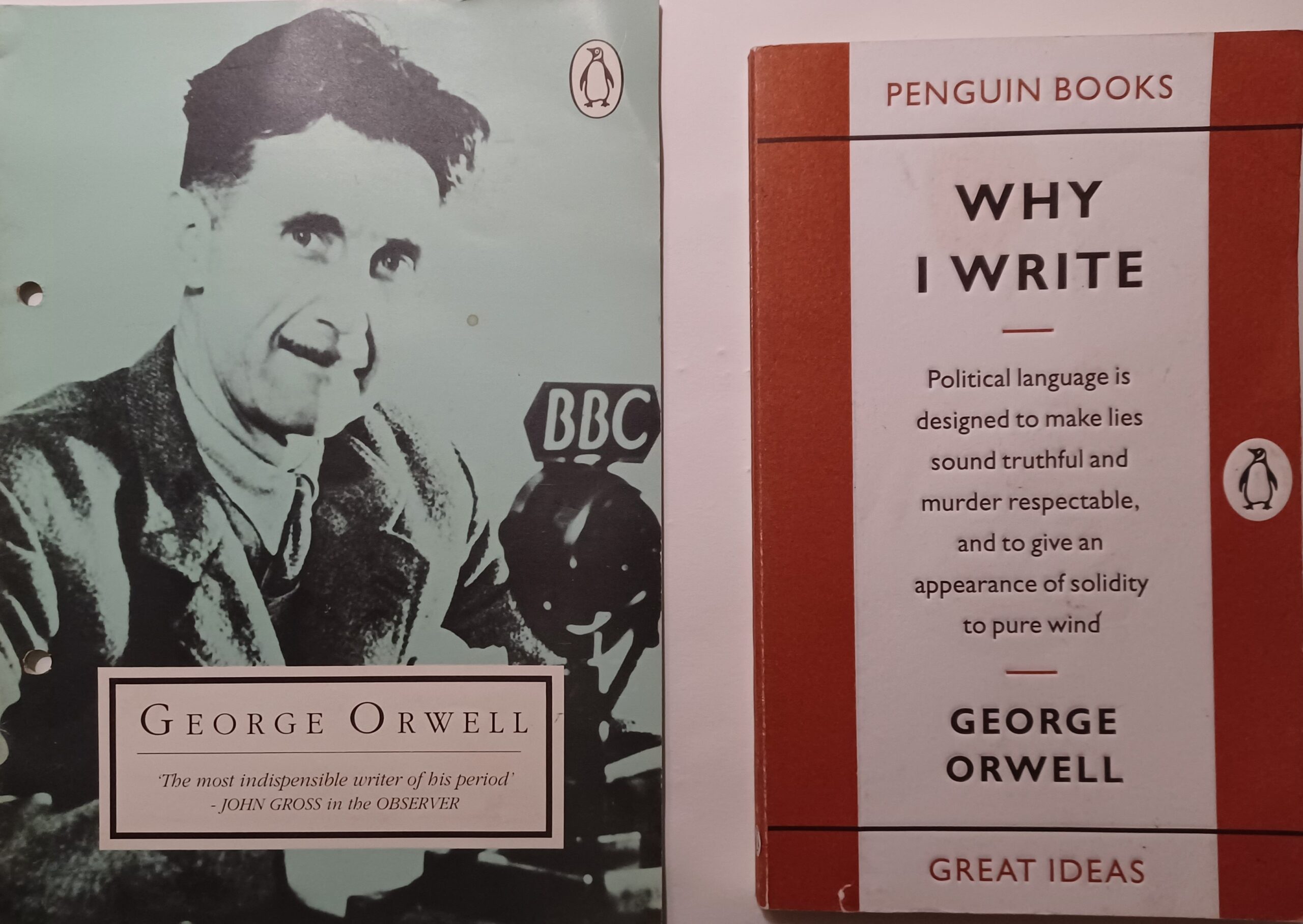
For my English A level many years ago, I was lucky enough to have to study a collection of Orwell’s essays. They had a most profound impact upon me, at an age when we are beginning to develop our ideas and increasingly hungry for learning and experience. In his 1946 essay Politics and the English Language, Orwell examines the relationship between the abuse of language and the abuse of power, arguing that when we allow the false and slipshod to gain traction in public discourse, we expose ourselves to exploitation and eventual domination by powerful and malign forces. He of course illustrated his argument with many examples from his own times, but if continued relevance is the benchmark of merit, we can see only too clearly how he can still help us today.
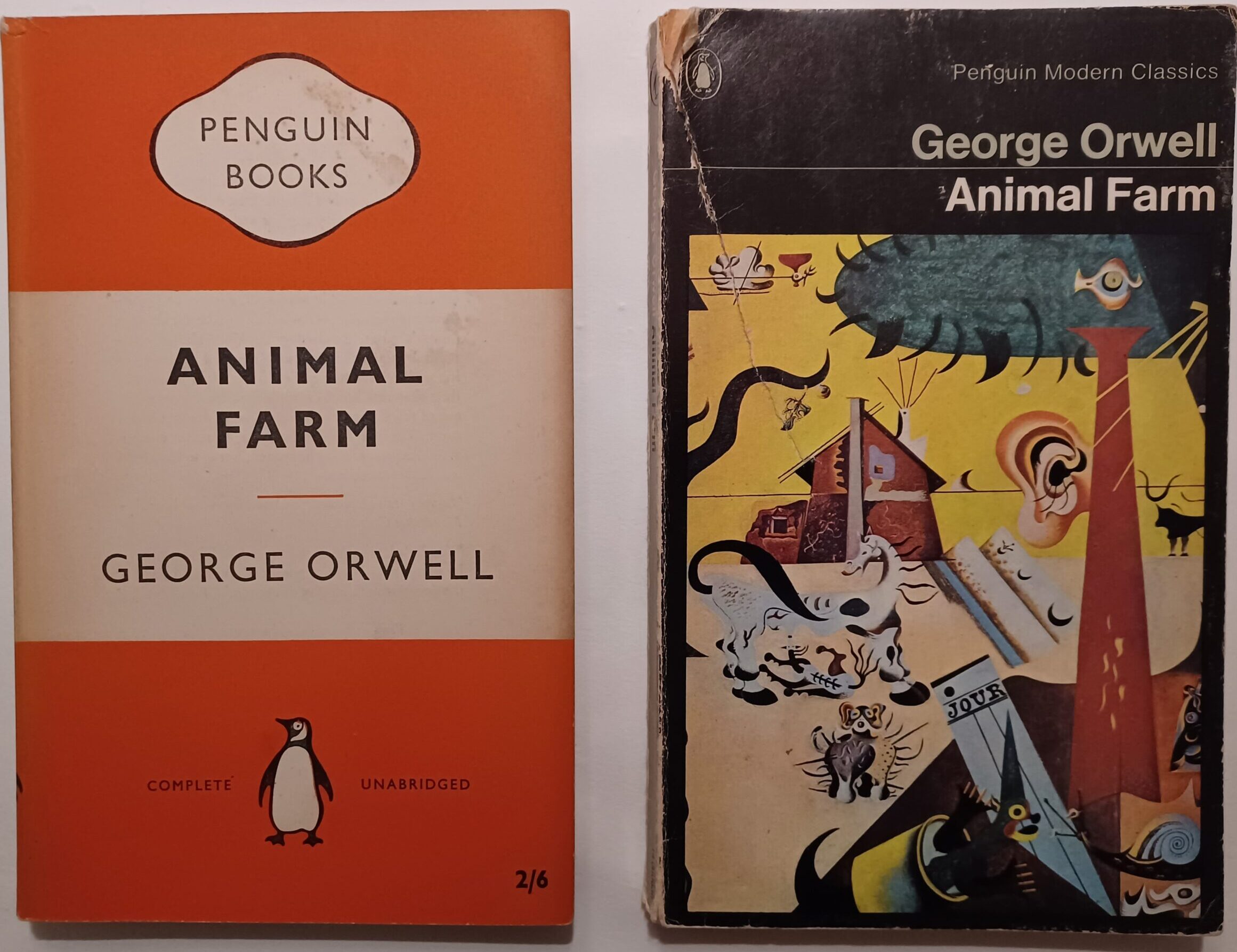
Dystopian fiction exaggerates to make a point, but sometimes by not much. Orwell’s Oceana in Nineteen Eighty Four may not be Great Britain, but it is certainly present-day China. In the United States, the very notion of objective and verifiable truth was undermined by Donald Trump’s White House and its numerous functionaries. The term “fake news” is now a fixture in the political lexicon. At rallies, the MAGA faithful chant their slogans of approbation: “Lock Her Up, Lock Her Up”, or whatever the current variant. Half close your ears and this morphs into the chant of the sheep in Orwell’s Animal Farm: “Four Legs Good, Two Legs Bad”. But all these abuses flourish because we, or enough of us, have allowed the link between language and truth to corrode to the point of breakage. It is time that more of us took the trouble to examine how this has come about, and consider what we might do to throw things into reverse.
In Nineteen Eighty Four Orwell extrapolated this theme into a future in which The Party seeks to strengthen its grip on power by controlling and limiting the language people are allowed to use, and as a result, the range and boundaries of their thoughts. The compliant populace is thereby deprived in the end of any means of opposing, expressing or even imagining any form of political opposition or resistance. It is Orwell of course who gave us Big Brother, and the Thought Police, whose job is to locate and root out ideologically inadmissible thoughts and expression before they can mature into an independent political awareness. Both phrases have of course entered our contemporary mainstream idiom, one as a reality tv show, the other a sardonic term for those who denounce language or attitudes critical of their own partial world view, and are part of Orwell’s considerable cultural legacy.
George Orwell helped refine my teenage political sensibility, and what is relevant here, my appreciation of the power and importance of good, honest writing. His creation of Newspeak in Nineteen Eighty Four was an inspired and chilling vision of a language devoid of subtlety, beauty and above all truth, and a distillation of everything that we should be doing our best to resist. For this I propose him as my first, and greatest, Language Hero.